
Every day, materials arrive on construction sites. They’re unloaded, tickets are signed and work continues, often on the assumption that what arrived is what was ordered and specified.
But assuming the right material arrived is not the same as knowing it did.
Across thousands of deliveries, that creates a significant commercial blind spot. An incorrect material discovered early might be replaced. Discovered after installation, it can mean rework, delays and disputes. Discovered years later, the absence of evidence could become a liability.
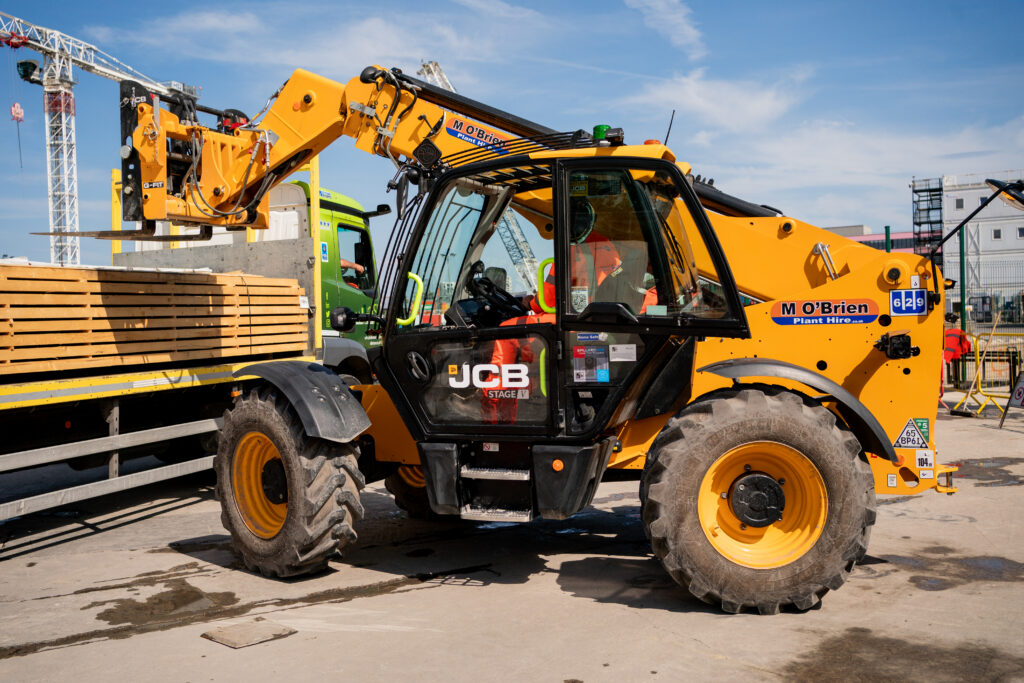
Material mistakes are costing you
Research from the Get It Right Initiative (GIRI) cites studies putting the direct cost of avoidable construction error at around 5% of project value. Its research suggests the wider impact could reach 21% of construction spend once indirect costs, process waste and latent defects are considered.
A material mistake can mean removal, replacement, additional labour, programme disruption and commercial disputes.
And many of those costs remain hidden until something goes wrong.
Materials still arrive largely on trust
Construction teams put enormous effort into specifying and procuring the right materials. Yet when they arrive, the evidence can still amount to a delivery note, photograph or supplier PDF.
Having the document isn’t the same as having reliable data.
On one major infrastructure programme, Qflow captured material information including quantities, product types, certifications, PO numbers, delivery ticket numbers, dispatch addresses and carbon data.
That gives teams the information needed to answer a much more important question:
Did what arrived match what the project expected?
The later a discrepancy is discovered, the more expensive it can become.
Poor materials data already has a measurable cost
In 2026, GS1 UK and Barbour ABI estimated that fragmented and inconsistent product information could be costing UK construction up to £3.8 billion every year.
Their research also found that 52% of respondents said a lack of digitalisation was causing revenue loss.
If proving what was delivered means finding an old ticket, opening a PDF or contacting a supplier, you don’t have control of your materials data.
You have paperwork.
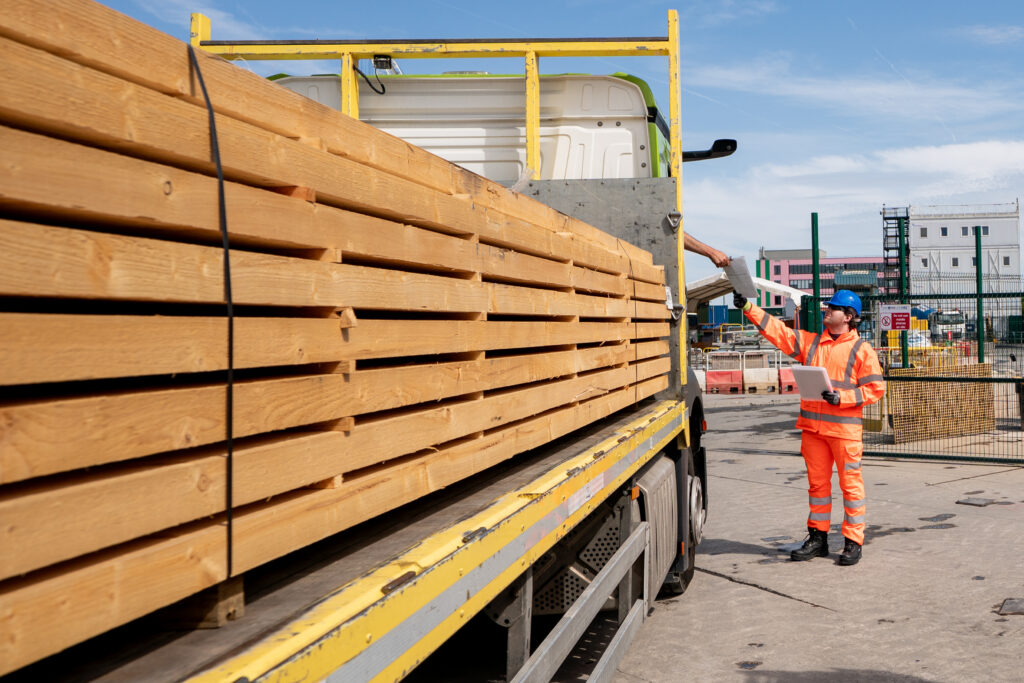
The risk doesn’t end at handover
Construction organisations increasingly need to demonstrate that they built correctly, not simply say that they did.
For higher-risk buildings in England, Building Safety Regulator guidance requires digital information to be maintained as part of the golden thread, creating a reliable evidence trail throughout the building’s lifecycle.
There’s a significant difference between:
We believe the specified material was installed.
and:
Here is the record of what arrived, when it arrived and where it came from.
Years after completion, that evidence matters.
Case Study: What happens when you look at the data?
Across a major construction portfolio using Qflow, tens of thousands of materials and waste records were analysed across dozens of live projects.
Qflow identified hundreds of material risks, giving teams the opportunity to investigate discrepancies while there was still time to act.
Because the value isn’t just finding the risk. It’s finding it before it becomes an expensive problem.
The paperwork doesn’t always tell you enough
The original delivery records only contained part of the information the organisation ultimately needed. Once Qflow captured, enriched and audited the records, the amount of usable data available from each ticket more than doubled.
The documents existed. The complete information didn’t.
That richer data gives teams greater visibility into what is arriving across their projects and a reliable evidence trail they can use across quality, compliance, sustainability and commercial decisions.
Small risks become expensive at scale
One unchecked delivery might never become a problem. Across thousands of material movements and dozens of projects, the exposure starts to add up.
For this portfolio, Qflow’s analysis calculated seven-figure savings and potential cost avoidance over three years.
That value came from three areas:
- 57% came from potential rework avoidance: identifying material risks early, before discrepancies had the opportunity to become significantly more expensive once materials were installed.
- 33% came from potential compliance fines avoided: Qflow identified issues within waste records that could have exposed projects to regulatory fines if left unresolved.
- The remaining value came from time and administration saved: automating the capture, checking and enrichment of site records rather than relying on teams to manually process and report them.
These aren’t abstract benefits. They are costs associated with problems that already existed within everyday project records, but could easily have remained unseen.
Better data doesn’t just improve reporting. It gives teams the opportunity to intervene before risk turns into cost.
Doing nothing isn’t the zero-cost option
The question isn’t just “What does materials tracking cost?”
It’s “What does it cost when we don’t?”
A discrepancy caught at delivery can be investigated. After installation, it becomes rework. After handover, it could become a dispute or liability.
Qflow turns site records into structured, auditable data and flags potential risks while teams can still act.
Because not seeing the risk doesn’t mean you aren’t paying for it.
The cost of doing nothing is not knowing what you’re accepting.
What could unchecked materials be costing your projects?
The earlier you identify a material risk, the more opportunity you have to act before it becomes rework, delay or a long-term liability.
Qflow gives you a trusted record of what actually arrives on site, helping your teams identify risks earlier and keep the evidence they may need years later.
Ready to see what better materials visibility could mean for your projects?
